Blog
ERMS Editorial Team | 4 July 2026
When Is the Right Time to Pursue an MBA ?
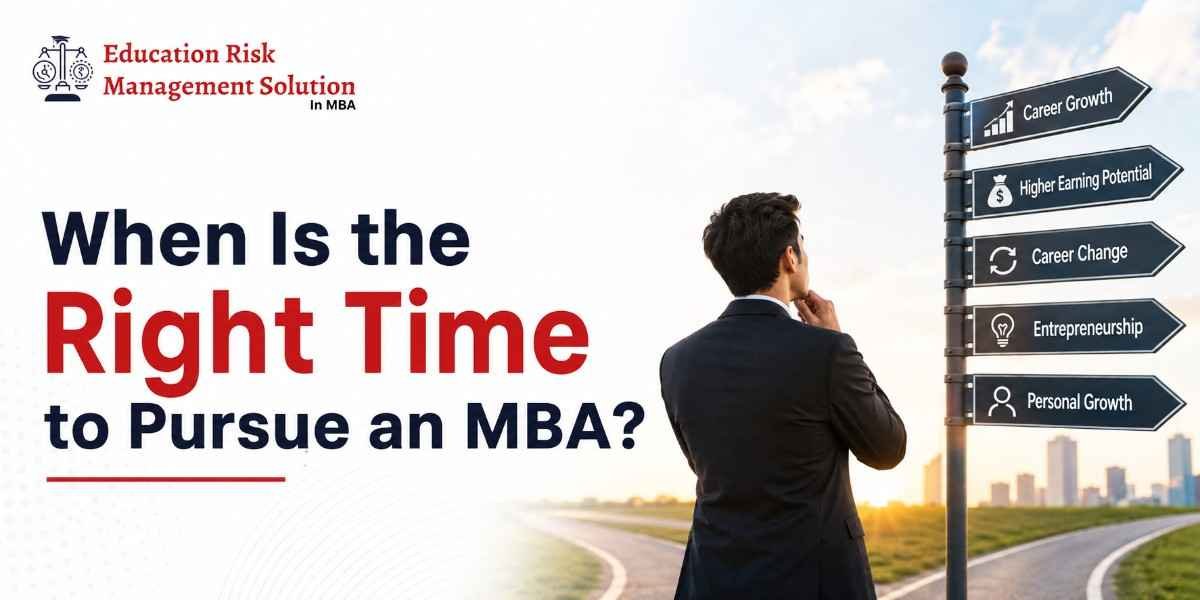
Table of Contents
- Introduction
- When is the right time to pursue an MBA?
- First, Let’s Clear a Common Misconception
- Should You Pursue an MBA Immediately After Graduation?
- When Should You Consider Gaining Work Experience First?
- So, How Do You Decide?
- Choosing the Right Specialization Is Equally Important
- Common Mistakes Students Make Before Pursuing an MBA
- How ERMS Helps Students Make Better MBA Decisions
- Final Thoughts
- FAQs
- Related Articles
Introduction
An MBA is often seen as a gateway to better career opportunities, higher salaries, leadership roles, and entrepreneurial success. Every year, lakhs of students prepare for entrance exams like CAT, XAT, CMAT, NMAT, and MAH MBA CET with the dream of securing admission to a reputed business school.
However, before choosing a college or even starting their MBA preparation, most students have one important question in mind. In fact, one of the most common questions we hear during our career counseling sessions at Education Risk Management Solution (ERMS).
When is the right time to pursue an MBA?
Some students ask this question immediately after completing Class 12, while others ask it after graduation or after gaining a few years of work experience. With so much advice coming from friends, family, coaching institutes, colleges, and social media, it’s easy to become confused.
The truth is that there is no single answer that fits everyone. The right time to pursue an MBA depends on your career goals, academic background, financial situation, skills, and future aspirations.
In this blog, we’ll help you understand different situations in which pursuing an MBA makes sense, the factors you should evaluate before making your decision, and how you can choose the right path for long-term career success. Some students ask this question immediately after completing 12, while others ask it after graduation or after gaining a few years of work experience. With so much advice coming from family, friends, coaching institutes, and social media, it’s easy to become.
First, Let's Clear a Common Misconception
Many students believe that an MBA is the “next step” after graduation. Others think they should first work for several years because someone told them experience is compulsory.Both assumptions are incomplete.
An MBA is not about following a fixed timeline; it’s about pursuing it when it can create maximum value for your career. Think of it this way. If you buy an expensive machine but don’t know how or why you’ll use it, the investment won’t deliver its full value. Similarly, pursuing an MBA without career clarity often leads students to choose the wrong specialization, the wrong college, or a program that doesn’t match their career goals. This is why timing matters.
Should You Pursue an MBA Immediately
After Graduation?
For many students, the answer is yes. If you already know the industry you want to work in, have a clear career objective, and are determined to build a career in management, pursuing an MBA immediately after graduation can be a smart decision.
Since you’re already in study mode, preparing for entrance exams and adapting to MBA academics becomes relatively easier. After completing your MBA, you can enter the corporate world at an earlier stage and start building professional experience while your peers are still deciding their career paths.
Students who graduate from reputed B-Schools also benefit from campus placements, internships, industry projects, and networking opportunities that can accelerate their careers.However, pursuing an MBA immediately after graduation is beneficial only when you have clarity. If you’re choosing an MBA simply because you don’t know what else to do, it may not be the right decision.
When Should You Consider Gaining Work
Experience First?
Not every student needs to rush into an MBA. Many professionals choose to work for two to five years before enrolling in a management program, and this approach also has significant advantages. Work experience exposes you to real business challenges, client interactions, teamwork, deadlines, leadership, and organizational culture. Once you enter an MBA classroom, these experiences help you understand management concepts more effectively.
For example, someone working in sales may discover a passion for marketing strategy. An engineer may develop an interest in product management, operations, or business analytics. These insights make it easier to select the right specialization. Professional experience also helps students participate more confidently in classroom discussions, case studies, and interviews because they can relate theory to practical situations. And waiting indefinitely isn’t advisable either. The longer you postpone your MBA without a clear purpose, the harder it may become to return to academics.
So, How Do You Decide?
Instead of asking, Should I pursue an MBA now?, ask yourself a few more meaningful questions.
- Do I Have a Clear Career Goal?
An MBA should help you reach a destination not become the destination itself. If you know you want to build a career in marketing, finance, consulting, HR, analytics, operations, or entrepreneurship, an MBA can provide the skills and opportunities required to get there.
If you’re still unsure about your interests, spending time exploring different career options or seeking professional guidance may be a better first step.
- Am I Choosing an MBA for the Right Reasons?
Many students pursue an MBA because:
- Their friends are doing it.
- Their parents suggested it.
- They couldn’t decide on another career option.
- They believe an MBA automatically guarantees a high salary.
These are not strong reasons. The best reason to pursue an MBA is because it aligns with your long-term career plan.
- Have I Researched Colleges Properly?
This is where many students make costly mistakes. A college with attractive advertisements doesn’t necessarily provide quality education or strong placements. Before applying, evaluate factors such as placement reports, average salary packages, faculty, industry exposure, internship opportunities, alumni network, accreditation, and overall return on investment.
Remember, choosing the right college often matters more than simply choosing an MBA.
- Am I Financially Prepared?
An MBA is a significant financial investment.Besides tuition fees, students should also consider accommodation, living expenses, educational loans, examination fees, and other miscellaneous costs. More importantly, ask yourself whether the expected career opportunities justify the investment you’re making. A well-planned MBA should offer long-term value, not just a degree.
Choosing the Right Specialization Is Equally
Important
Timing alone doesn’t determine career success. Selecting the right specialization plays These qually important role. Instead of choosing a specialization based solely on market trends or social media discussions, evaluate your own interests, strengths, and career ambitions.
For example, students who enjoy creativity, branding, and consumer behavior may find marketing rewarding. Those with strong analytical skills might excel in finance or business analytics. Similarly, individuals interested in people management may prefer human resource management, while aspiring entrepreneurs can benefit from entrepreneurship programs. The best specialization is one that aligns with both your abilities and the future you want to build.
Common Mistakes Students Make Before
Pursuing an MBA
During our counseling sessions at ERMS, we’ve noticed that many students make similar mistakes before taking admission. Some choose colleges without verifying placement records. Others follow friends instead of making independent decisions. Many students invest lakhs of rupees without understanding the return on investment they can realistically expect. Another common mistake is selecting a specialization based purely on popularity rather than personal interest or career goals. These mistakes are avoidable when students take time to research and seek expert guidance before making their final decision.
How ERMS Helps Students Make Better MBA
Decisions
At Education Risk Management Solution (ERMS), we believe that every student deserves the right guidance before making one of the biggest investments in their career.
Our counselling approach focuses on reducing the risks associated with MBA admissions. We help students understand whether an MBA is the right choice for them at the current stage of their career. Based on their academic profile, entrance exam performance, budget, interests, and career aspirations, we guide them towards suitable colleges and specializations that offer better career prospects and stronger return on investment. Our objective is not just to help students secure admission it is to help them make informed decisions that support long-term career success.
Final Thoughts
There is no universal age or stage at which everyone should pursue an MBA. For some students, pursuing an MBA immediately after graduation is the ideal choice because they already know where they want to build their careers.For others, gaining professional experience first provides greater clarity, confidence, and industry exposure before investing in management education. The right time is when you are ready not when society, friends, or trends tell you to be. Before making your decision, ask yourself whether you have career clarity, have researched colleges thoroughly, understand the financial investment, and know how an MBA will help you achieve your long-term goals. If the answer is yes, you’re much more likely to make your MBA journey a successful one.
FAQs
- Is pursuing an MBA immediately after graduation a good idea?
Yes, if you have clear career goals and know why you want to pursue management education. Many students build successful careers by completing an MBA immediately after graduation.
- Is work experience compulsory before an MBA?
No. Most MBA programs in India accept fresh graduates. However, work experience can provide additional industry exposure and help you make more informed career decisions.
- How many years of work experience are ideal?
For students who choose to work first, two to five years of experience is generally considered beneficial before pursuing an MBA.
- How do I know whether an MBA is the right choice for me?
Evaluate your career goals, interests, financial readiness, and long-term aspirations. If you’re uncertain, professional career counselling can help you make a more informed decision.
- How can ERMS help me?
ERMS provides personalized career counselling, profile evaluation, college selection guidance, specialization support, admission assistance, and career planning to help students minimize risks and make smarter MBA decisions.
- Ready to Plan Your MBA Journey?
Every successful MBA journey begins with the right decision. If you’re still confused about when to pursue an MBA, which college to choose, or which specialization fits your career goals, book a FREE One-to-One Career Counselling Session with Education Risk Management Solution (ERMS). Our experts will help you build a personalized roadmap so you can make confident, informed, and risk-free career decisions.
Related Articles:
Latest Blogs
Read the latest blogs from TernaGBS to gain insights, trends, and tips for your career growth.